
In almost every Vietnamese meal, there is soup.
It doesn’t matter how many dishes are on the table, how elaborate or simple the spread is, there is always something warm, something meant to be shared, something that ties everything together. For me, that soup has always been canh chua.
Canh chua isn’t complicated at first glance. Tamarind for sourness. Pineapple for sweetness. Tomatoes for brightness. Herbs to finish. But somehow, getting it right, the balance of sweet, sour, and that gentle tang that lingers, is harder than it looks. It’s one of those dishes that feels simple until you try to recreate the exact version you remember.
My mom is from the North, and while she loves canh chua just as much as I do, she’ll be the first to admit it’s never quite right when she makes it. Something is always missing. So we don’t force it, we just go out and find it instead.
And we always do.
Every road trip, every stop between destinations, every family-style meal at a random restaurant—we order the same two things: a braised fish dish, and canh chua. Always those two. Somehow, they just belong together. The richness of the fish, the brightness of the soup. It balances, resets, completes the meal.
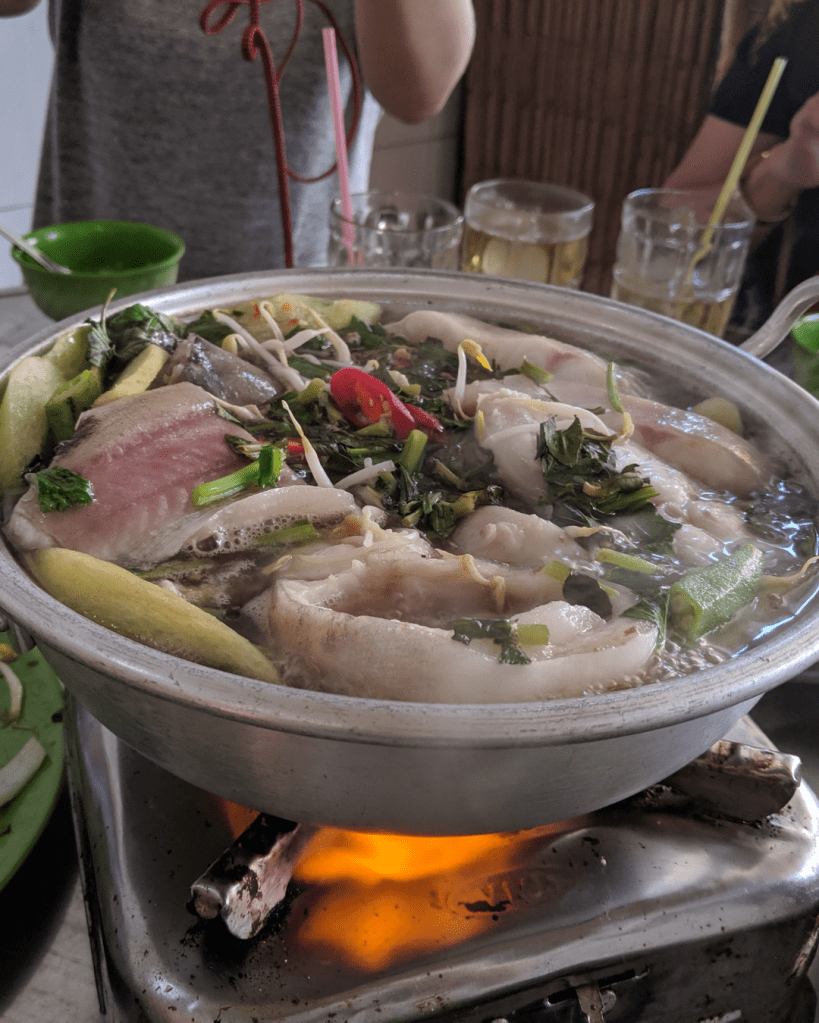
Sometimes we’d eat it with rice. Sometimes with vermicelli. Sometimes just on its own. It didn’t matter. It was comforting in a way that didn’t need explanation.
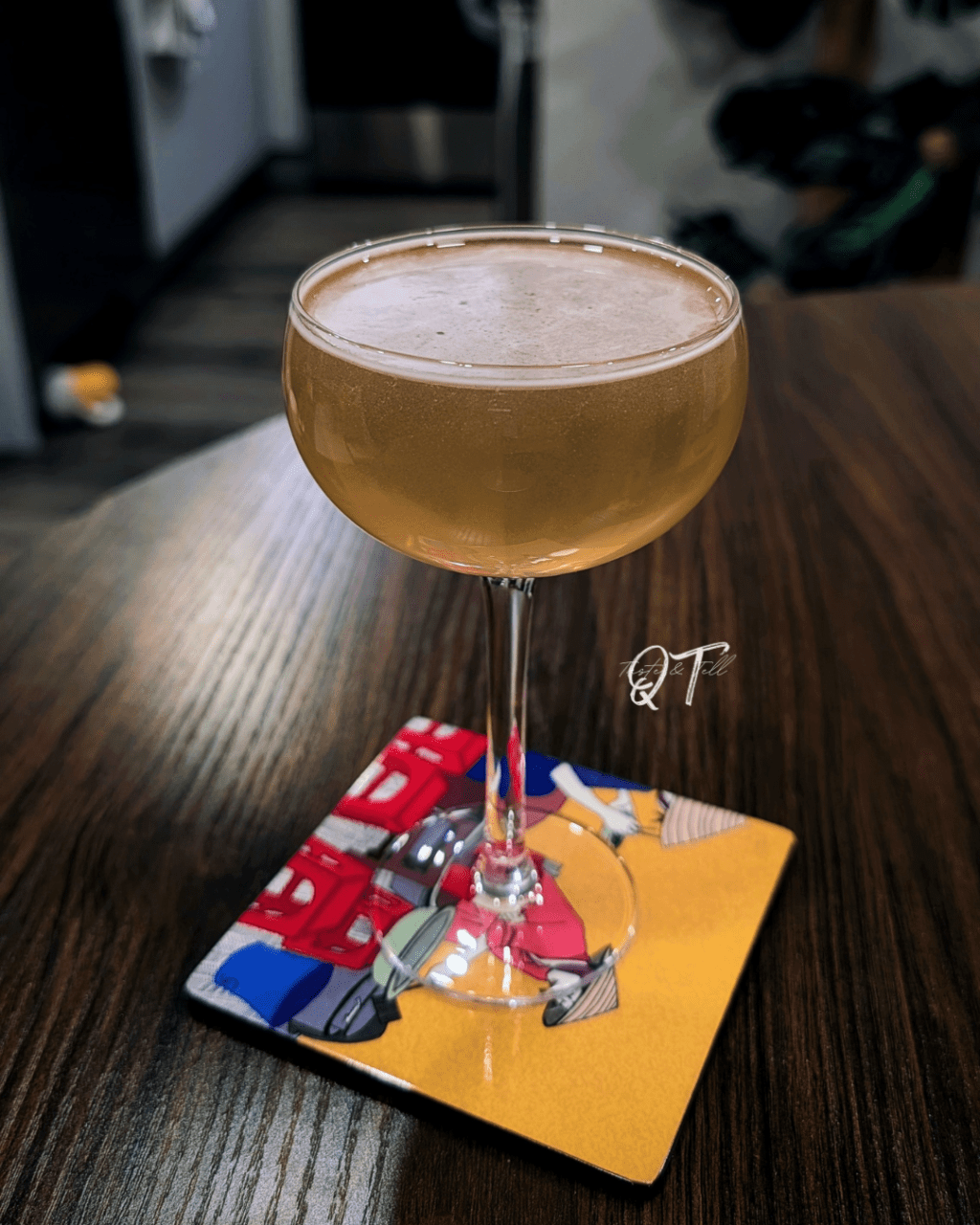
That feeling, that exact memory, is what I wanted to turn into a drink.
The first version of this cocktail was made with pineapple juice as the base, leaning into the sweetness more directly. It worked, but it didn’t feel complete. Then I had an heirloom tomato drink at The Pine, and something clicked. Tomato, when treated right, is clean, bright, almost delicate. It carries acidity in a way that feels more layered, more intentional.
So I rewrote everything.
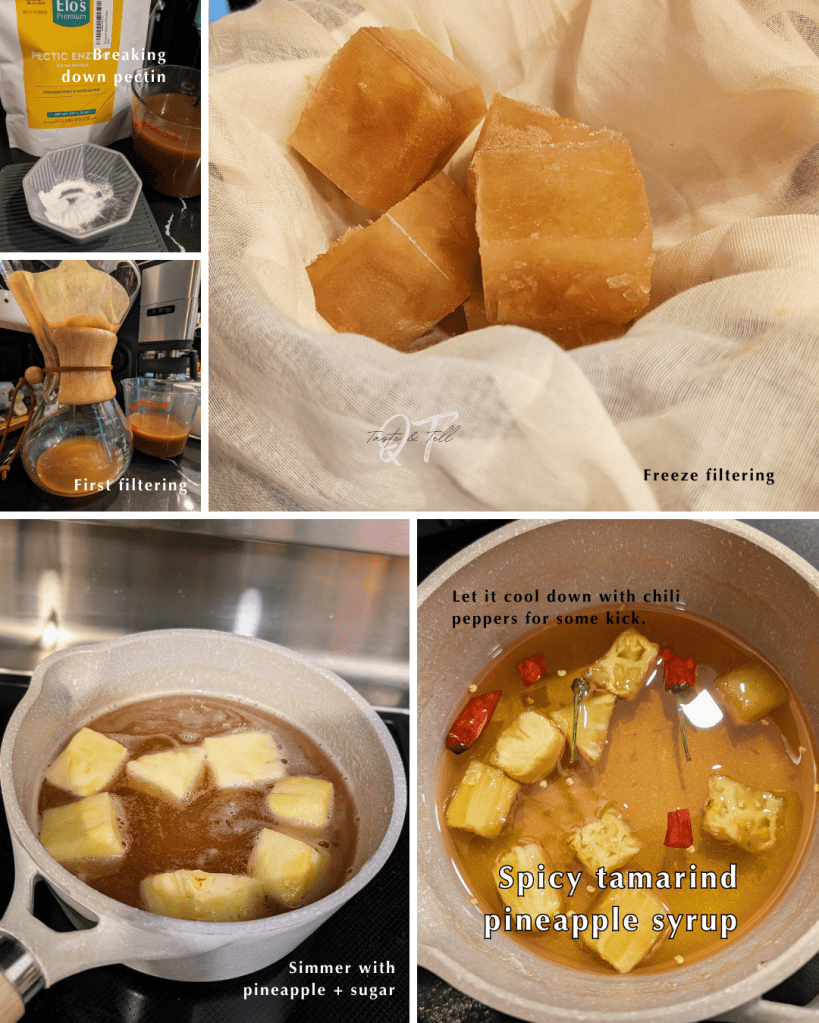
What looks like a “three-ingredient cocktail” on paper turned into days of work behind the scenes. Clarifying tamarind. Testing textures. Filtering, freezing, filtering again. Adjusting acidity. Rebalancing sweetness. It was quiet, repetitive, and honestly a little obsessive. But that’s kind of the point.
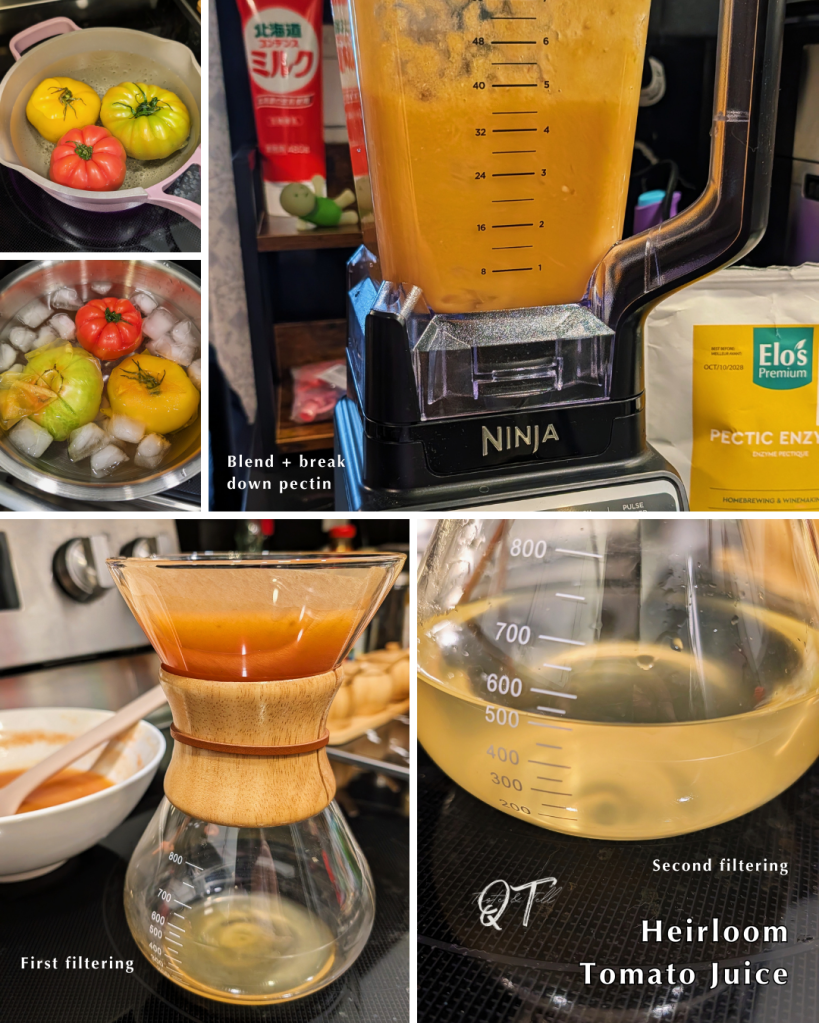
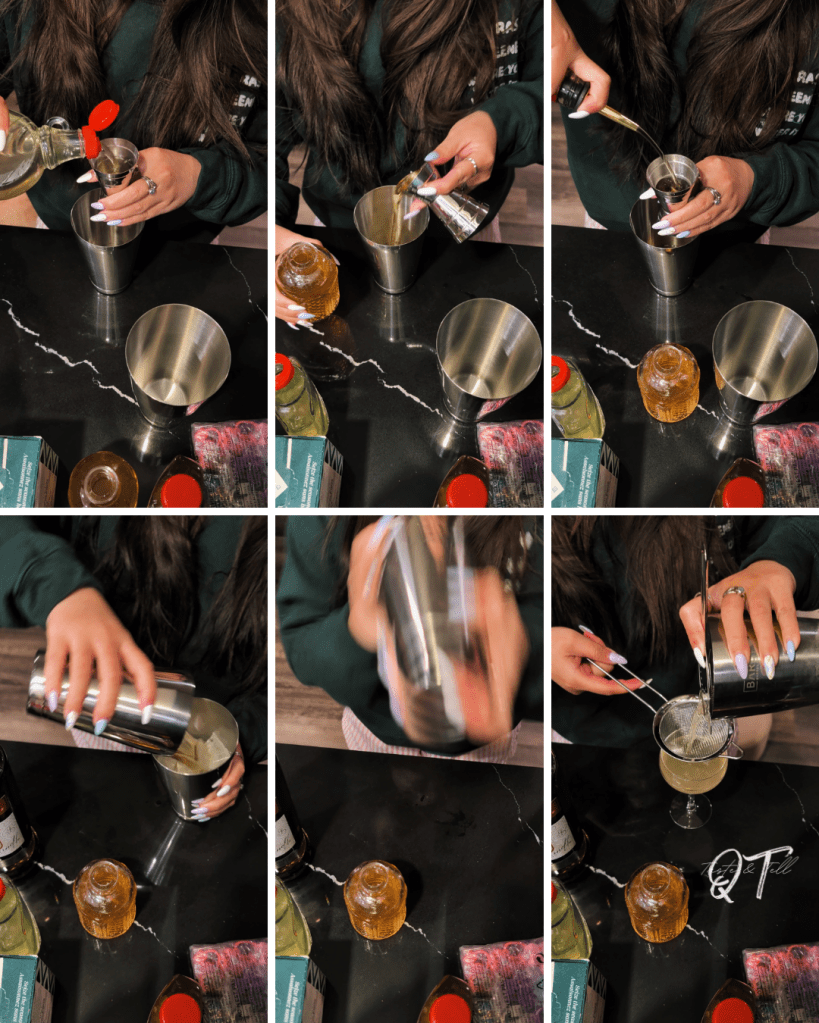
Because canh chua isn’t loud. It’s not a dish that demands attention. It’s subtle. It builds slowly. And I wanted the drink to do the same.
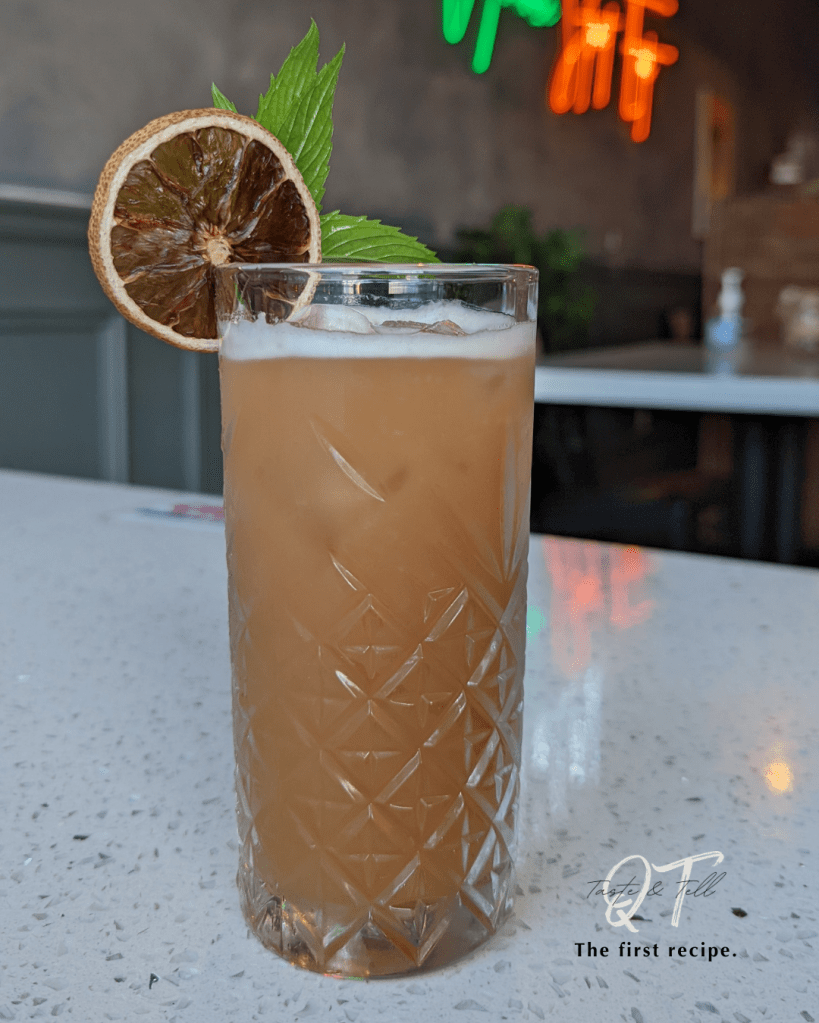
The final version is light, almost deceptively simple.
You get the brightness of heirloom tomato first. It’s clean, fresh, slightly acidic. Then the tamarind and pineapple come through, rounding it out with that familiar sweet-sour balance. It’s refreshing, but there’s depth sitting underneath it.
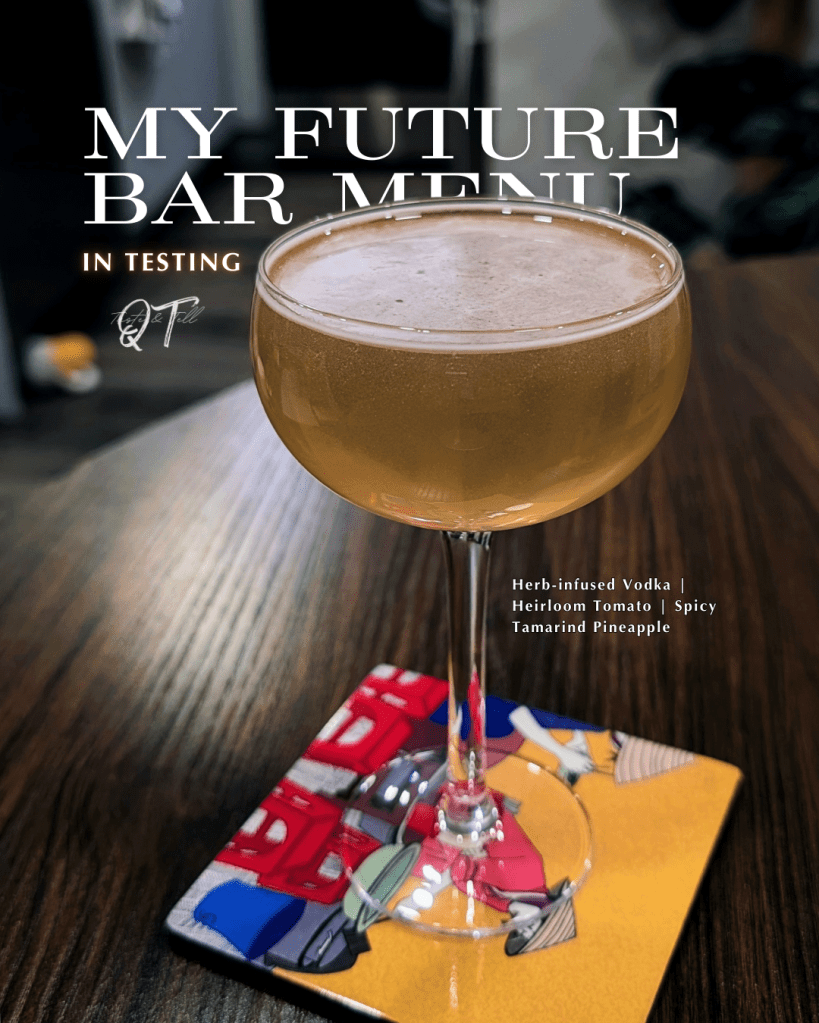
This time, I infused the alcohol with herbs. Even though the drink is served cold, the herbs add a gentle warmth that sits quietly in the background. You don’t taste the alcohol at all, which is exactly what I wanted, but it’s there. Soft, hidden, and just strong enough to remind you.
It’s easy to drink. A little too easy.
What I realized while making this is that translating a dish into a cocktail isn’t about copying flavours exactly. It’s about understanding what makes the dish feel the way it does.
For canh chua, it’s balance. It’s contrast. It’s that moment where something sour turns soft, something sweet turns sharp, and everything settles somewhere in between.
It’s also memory.
This drink reminds me of sitting around a table where no one orders individually, where everything is shared. Of that first sip of soup that somehow makes everything else taste better.
It’s not the soup.
But it’s close enough to feel like it.
Worth it.


Leave a Reply